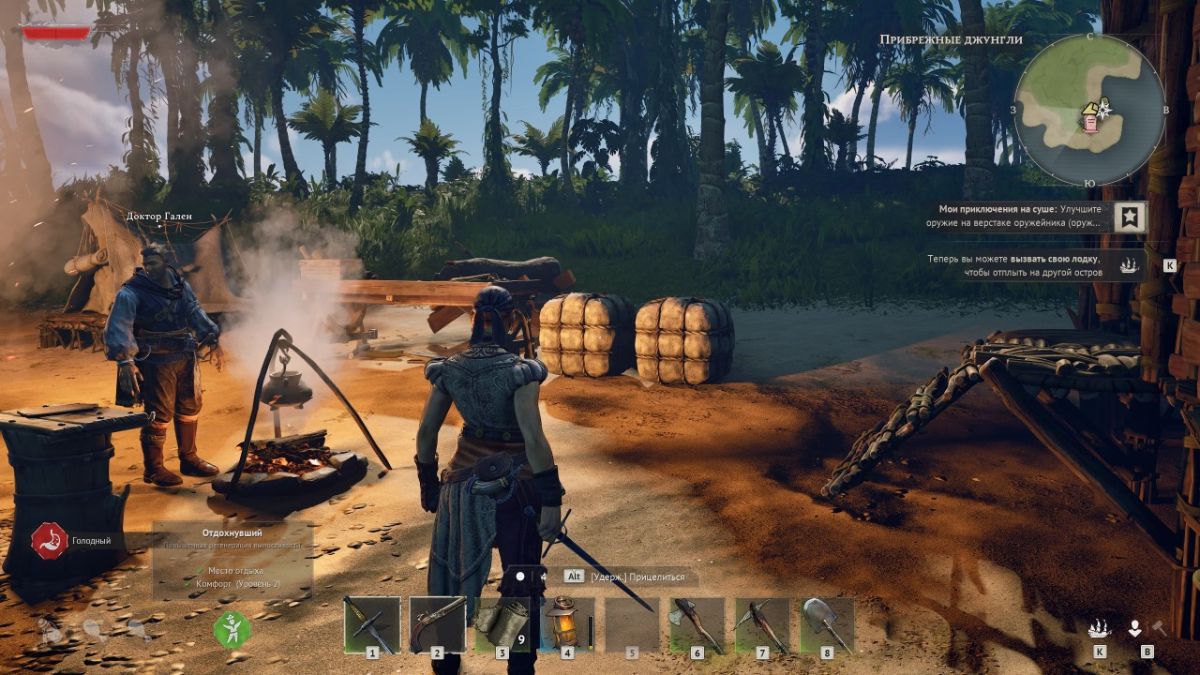
Windrose Beginner Guide – How to Survive and Progress

Updated: April 17, 2026  ·  Reading time: ~7 min

When I first started playing Windrose, I made the exact mistake most new players make — I rushed everything.

I jumped into fights without understanding combat, sailed out before I was ready, ignored cooking, and carried almost no healing supplies. For a while, it felt like the game was harder than it needed to be.

But once I slowed down and actually learned how the systems work, everything changed.

Windrose is one of those games where preparation matters more than aggression. If you understand combat timing, resource management, exploration routes, and base building early, the game becomes smoother, faster, and honestly way more enjoyable.

So if you’re just starting out, this is the Windrose beginner guide I wish I had when I began.

My First Big Realisation

At first, I treated Windrose like a normal survival game where you just gather random loot, craft better gear, and fight stronger enemies.

That mindset got me killed constantly.

What I learned is that Windrose rewards players who prepare before doing anything. Going into combat with food matters. Exploring with extra healing matters. Having storage organised matters. Even knowing when to travel matters.

Once I started planning ahead, I stopped struggling.

Combat Tips That Helped Me Stop Dying

Combat in Windrose looks simple at first, but it’s not just about swinging weapons faster than the enemy.

The game heavily rewards timing, stamina control, and positioning.

Learn Parrying As Early As Possible

This was the single biggest thing that improved my gameplay.

At first, I kept holding block whenever enemies attacked. It works for a moment, but blocking hits costs shields. Once shields are gone, your stamina starts getting drained, and after that fights usually go badly fast.

Then I started using parry timing instead.

If you block right before the enemy attack lands, you parry the hit. That means you avoid damage, keep your own resources intact, and drain enemy stamina instead.

Once I got comfortable with parrying, enemies that used to destroy me suddenly became manageable.

If you learn only one mechanic early, make it this one.

Never Stand Still in Multi-Enemy Fights

Another mistake I kept making was fighting groups head-on.

If multiple enemies surround you, you’re in trouble. Some attack from the side, others from behind, and panic starts quickly.

What worked for me was constantly moving backward and rotating around them so they stayed in front of me.

This does three things:

  • Keeps enemies from surrounding you
  • Lets you hit multiple targets in one swing
  • Makes blocking much easier

Once I stopped standing still, group fights became far less chaotic.

Use Pistols and Ranged Weapons the Smart Way

I expected ranged weapons to carry me early, but basic pistols have drawbacks like spread and slow reload speed.

They’re strongest when used opportunistically.

I had the best results using them:

  • After stunning an enemy
  • When attacking from behind
  • When creating space mid-fight
  • To finish weak enemies safely

Instead of replacing melee combat, ranged weapons worked best as support tools.

What I Built First (And What Actually Helped)

When I first started base building, I wasted time on random structures that looked useful but didn’t improve my progress.

Once I restarted with a smarter plan, everything felt easier.

Build Storage Before Anything Fancy

Inventory space became a problem almost immediately.

I kept returning from trips with full bags, dropping items on the ground, or forgetting where I stored important materials.

So I made storage my first real priority.

Having a proper storage setup helped me:

  • Organise crafting resources
  • Track what I was running low on
  • Keep rare materials safe
  • Craft faster because everything was nearby

This sounds basic, but it made progression dramatically smoother.

Always Carry Food and Healing Supplies

Most of my early deaths weren’t from bosses or hard enemies.

They came from leaving base unprepared.

I’d go exploring with low health, no healing, no food, and then die somewhere inconvenient. Since dying far from your bed means going back to recover your inventory, it wastes a lot of time.

Now I never leave base without:

  • Cooked food
  • Bandages
  • Potions or healing items
  • Extra recovery supplies for longer trips

That one habit saved me more than any weapon upgrade.

Cooking Is Stronger Than I Expected

I ignored cooking early because I thought it was optional.

It isn’t.

Your starting stats are weak enough that even small enemies can become dangerous if you’re underprepared. Once I started using better meals, I noticed a huge difference in survivability.

I focused on foods that increased:

  • Maximum health
  • Healing efficiency
  • Stamina support
  • General durability

Good food made the game feel less punishing instantly.

Why Dismantling Buildings Is So Useful

One feature I really appreciated is that Windrose lets you dismantle structures for full material refunds.

That means mistakes don’t cost you much.

Once I realised that, I stopped overthinking base placement and started experimenting more.

I used it to:

  • Move my camp when I found better areas
  • Redesign layouts for efficiency
  • Expand storage without worrying
  • Rebuild smarter as I progressed

It’s one of the most forgiving systems in the game.

Exploration Tips I Wish I Knew Earlier

Exploration is where Windrose really opens up, but rushing it too early caused me a lot of problems.

Don’t Rush Straight Into Sea Combat

Because of the pirate theme, I wanted to jump into naval battles immediately.

Bad idea.

I was much better off learning basic boat movement first — steering, docking, navigating, and travelling safely.

Once I got comfortable with a smaller boat, upgrading into cannon ships felt natural instead of overwhelming.

If your ship has storage space, even better. It becomes a mobile supply base, which saves constant return trips.

Explore Islands During Daytime First

Night exploration sounds exciting, but for beginners it’s usually more risk than reward.

At night, drowned enemies come ashore. They may drop useful resources, but early on I found they mostly slowed me down or got me killed.

So I changed my routine:

  • Daytime for gathering and exploration
  • Nighttime for crafting and organising
  • Sleep when needed to reset time quickly

That rhythm made progression much smoother.

Build a Bell Tower As Soon As You Can

If there’s one structure I’d recommend every beginner rush toward, it’s the Bell Tower.

The moment I unlocked fast travel, the game changed completely.

Instead of wasting time sailing back and forth, I could:

  • Return to base quickly
  • Unload loot fast
  • Restock supplies
  • Continue exploring efficiently

It also reduced the need for multiple small bases across islands.

Honestly, once I had Bell Towers set up, the game felt ten times better.

Resource Habits That Saved Me Hours

The biggest time losses in Windrose usually come from poor resource habits.

Once I fixed these, progress sped up naturally.

Gather While You Travel

Instead of waiting until I ran out of wood, stone, or food, I started collecting useful resources during normal exploration.

That passive gathering prevented emergency farming later.

Prioritise Rare Materials

Common items can usually be collected anytime.

Rare crafting resources often become bottlenecks later, so I started prioritising those whenever inventory space was tight.

Recycle Unused Weapons and Gear

At one point, my storage became full of weapons I never used.

Once I built a dismantling station and recycled useless gear, I gained materials and freed up huge amounts of space.

What I’d Prioritise If I Restarted Today

If I had to start fresh, my early-game plan would be simple:

  1. Learn parrying immediately
  2. Build organised storage
  3. Keep food and healing stocked
  4. Upgrade cooking options
  5. Explore islands in daylight
  6. Learn ship control before naval fights
  7. Build Bell Towers quickly
  8. Upgrade gear steadily instead of rushing

That path removes most beginner frustration.

When I first played Windrose, I thought progression meant fighting stronger enemies as fast as possible.

What I learned instead is that progression comes from control.

Once you understand combat timing, keep supplies ready, build efficiently, and use travel systems properly, the game stops feeling punishing and starts feeling rewarding.

And honestly, that’s when Windrose became genuinely addictive for me, when I stopped surviving by luck and started progressing with intention.

View the full Steam Insider strategy index