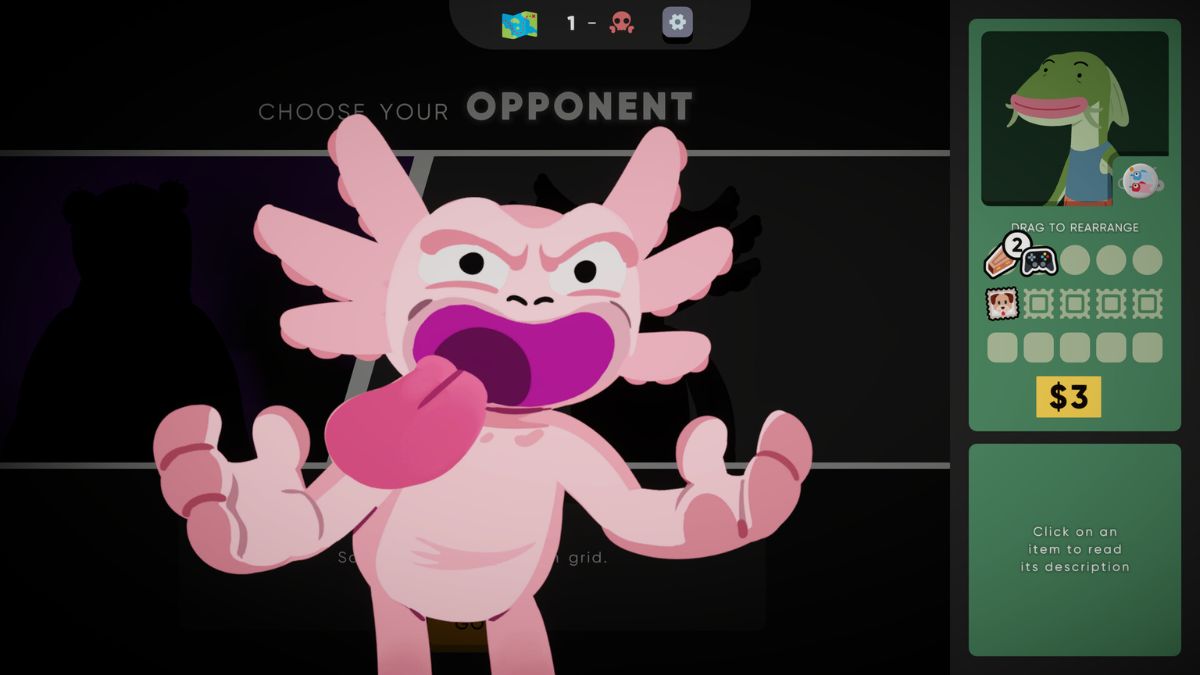
Cursed Words: The Word Game That Isn’t Quest Rewards Guide
When I started grinding quests in Cursed Words, I went in completely blind. I was just picking quests randomly, finishing whatever felt doable, and hoping the rewards would be worth it.
Yes that didn’t last long.
After a few runs, I realised something pretty important that not all quest rewards are even close to equal. Some items can completely change how your build works, while others are just there for nothing. And the worst part is that some of the harder quests don’t even give good rewards.
So instead of wasting time, I started actually testing each reward, seeing where it fits, and figuring out what’s genuinely worth going for first. This isn’t a perfect tier list type thing but it’s more how these items actually felt when I used them in real runs.
How I Evaluate Quest Rewards
The biggest mistake I made early was judging items purely on description. In Cursed Words, that doesn’t work.
What actually matters is:
- How often the item activates
- Whether it fits multiple builds or just one niche setup
- If it helps early, mid, or late game
- And most importantly, does it consistently help you win runs
Some items look insane but are inconsistent. Others look average but carry entire runs quietly in the background.
Early Quest Rewards: Decent, But Not Priority
When I started going through the early quests, most of the rewards felt okay. Not bad, but not something I’d rush for again.
On Cooldown (Banana) was one of the first I tried, and honestly it’s fine. A 1.5x multiplier sounds good, but the activation condition makes it unreliable unless your build is already focused around curses. It’s not useless, just not something that saves runs.
Shelf Life (Head Trauma) felt even more situational. Unless you’re running a color-heavy or blue-focused build, it doesn’t really do much. I found myself ignoring it most of the time.
Advent Calendar is one of those items that sounds creative but ends up awkward in practice. The randomness of numbers makes it hard to actually build around, and I had to force synergy just to make it usable.
Then you’ve got Up and Up, which is where things start getting interesting. This one actually surprised me. If you have numbers in your build, it’s incredibly flexible, you can slot in numbers even if your word doesn’t fully match, as long as the order condition is met. That kind of flexibility helped me salvage runs that would’ve otherwise failed.
Mid-Tier Rewards: Where Builds Start Opening Up
This is where I felt the game really started giving useful tools.
Secret Santa is one I underrated at first. It looks like a gamble item, but because mystery gifts are cheap, it actually creates a lot of value over time. And if you pair it with something like Human Boy, it can scale into genuinely strong items.
Munch Time (Hungry Hippo) is another one that felt better the more I used it. Being able to “eat” shop items instead of buying them gives you flexibility in resource management. It’s not broken, but it’s consistently useful.
Then there’s Call of the Void (Ruler), solid, but very dependent on your build. If you’re not running chess pieces or specific setups, it loses a lot of value.
Chromophilia (Christmas Tree) and Chromophobia (Sushi) fall into that middle ground where they’re not bad, but they’re not something I actively build around either. They help in certain setups, especially color-focused or colorless builds, but outside of that they’re just average.
High-Value Rewards: Actually Worth Grinding For
This is where things start getting serious.
Antipilatelist (Bar of Soap) is easily one of the best rewards in the game. It works in almost every build, doesn’t require setup, and provides consistent value. This was one of the few items where I immediately felt the difference after unlocking it.
Lexographer is another standout. It scales in a really unique way, instead of upgrading normally, it keeps resetting your word length requirement while increasing value. Once I understood how to play around it, it became one of the most reliable point-scaling tools I had.
Do Not Pass Go is also extremely strong. It’s expensive, but it pays itself off quickly if you’re managing your economy properly. I found it especially useful in runs where I focused on generating consistent income.
Embargo is another powerful item, even though the quest itself is surprisingly difficult. The reward is absolutely worth it, but getting there can be frustrating.
Situational and Niche Items
Some items aren’t bad but they’re just very specific.
Two Wrongs is one of those items you’ll almost never use unless you’re running a very particular setup. Same with Bones Round, which only really works if you’re already committed to a card-based build.
Knight Time and Bullseye also fall into this category. They can work, but they often feel like they require you to play around them too much, which ends up limiting your overall build flexibility.
Cursophobia is interesting because it can be good, but most strong cursed words don’t actually need the extra help it provides. So while it has potential, it rarely feels necessary.
Quests That Feel Bad
There are a few quests where I genuinely felt like the reward didn’t justify the effort.
In The Beginning is the biggest example. The quest itself is difficult, restrictive, and frustrating and the reward is just not worth it. Even at its best, it barely reaches a 2x multiplier, which is weak compared to other options.
This is one of the few quests I’d actually recommend skipping unless you’re trying to complete everything.
Late Rewards and Unique Items
Some of the later rewards are more about playstyle than raw strength.
Playing Favorites ended up being better than I expected. If you’re using shiny builds or high-value tiles, it can generate a lot of points. It’s not universal, but in the right setup, it performs really well.
Chromatic Aberration is one of the most interesting items. It can completely change your run depending on how it interacts with your setup. Sometimes it feels average, and other times it completely carries.
We’re Finally Landing doesn’t give a traditional item — it unlocks Speedrun Mode. So whether it’s worth doing depends entirely on whether you care about that playstyle.
What I Prioritise Now
After going through all of these, I don’t just complete quests randomly anymore.
I prioritise:
- Strong, flexible items that work in most builds
- Rewards that improve consistency rather than relying on luck
- Items that scale into late game instead of falling off early
And I avoid:
- Overly niche items unless I’m specifically building around them
- Difficult quests with weak rewards
- Anything that forces me to play in a restricted or awkward way
After actually testing all these quest rewards, the biggest takeaway for me is that value isn’t always obvious upfront.
Some of the best items don’t look impressive until you use them. And some of the most interesting ones end up being too inconsistent to rely on.
Once you start focusing on rewards that fit your style and actually improve your runs consistently, the game feels a lot less random and a lot more controlled.
And honestly, that’s when Cursed Words becomes way more fun when you’re not just playing the game, but actually building around it.